
Thinking about writing a Will but unsure where to start? This guide explains the main decisions you will usually need to make.
For many people, writing a Will feels more complicated than it needs to. You may worry about legal language, missing information, or not knowing exactly what should be included.
By The Willow helps break the process into clearer steps, so you can think through your wishes one part at a time.
You do not need to know every legal term before you begin. A good Will process should help you record the right information clearly, then guide you through signing it properly.
The first part of making a Will is usually about you and your family circumstances.
This may include:
◆ Your full name
◆ Your address
◆ Your date of birth
◆ Your relationship status
◆ Whether you have children, dependants, or pets
These details help shape the rest of the Will and highlight any important decisions you may need to make.
If you have children under 18, your Will can name the person or people you would want to look after them if both parents died.
This is one of the most important decisions for parents. Without clear wishes, the decision may be left to others at a very difficult time.
Before naming a guardian, speak to them first. Make sure they understand the responsibility and are willing to take it on.
If you have pets, you can record who you would like to care for them after your death.
Pets cannot inherit money or property directly, but your Will can name a trusted person to look after them and can leave money to help with their care.
It can also help to keep practical notes somewhere safe, including feeding routines, vet details, insurance information, medication, and any special needs.
Your executors are the people responsible for dealing with your estate after you die.
They may need to apply for probate, collect assets, pay debts and taxes, close accounts, sell property, and distribute the estate according to your Will.
Choose people you trust, and consider whether they are organised, reliable, and comfortable with paperwork and practical decisions.
You can choose family members, friends, professionals, or a combination. It is usually sensible to name more than one executor, or at least a backup.
Create your Will from home Work through your executors, beneficiaries, gifts, and wishes with a clearer online process. Start online today
You do not usually need to list every single item you own in your Will, but it is helpful to think about the main parts of your estate.
This might include:
◆ Property and land
◆ Bank accounts and savings
◆ Investments, stocks, shares, and pensions
◆ Businesses or business interests
◆ Vehicles, jewellery, collections, and personal possessions
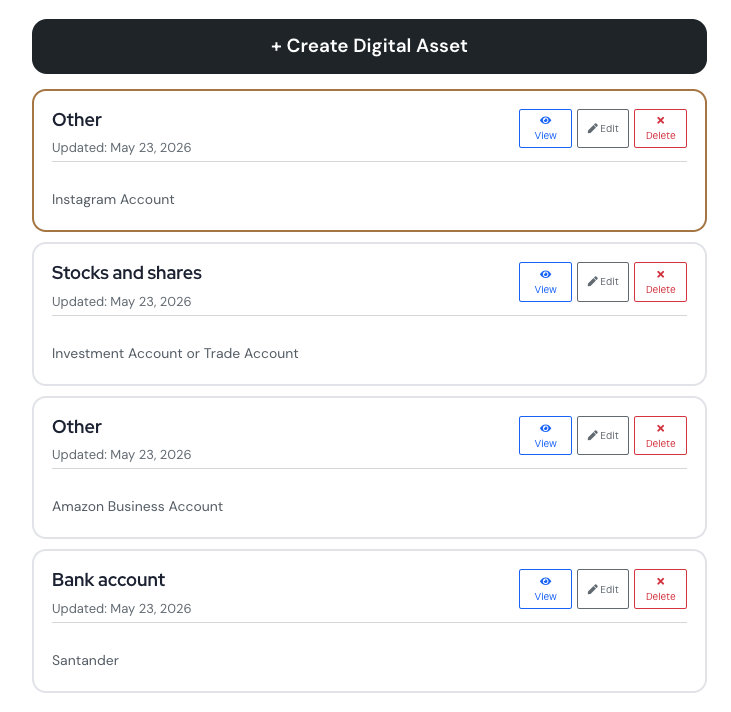
◆ Digital assets, online accounts, cloud storage, and social media
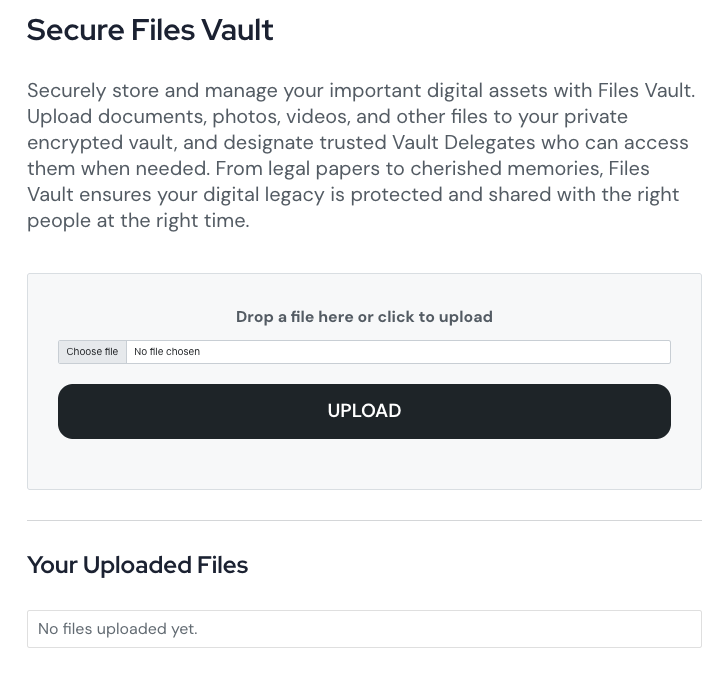
Executor Vault, available for £10 per year, lets you upload important files and record digital assets in one place. You can add details such as bank accounts, investment accounts, social media, business accounts, documents, and other information your executors may need to know exists.
One of the main purposes of a Will is to say who should inherit from your estate.
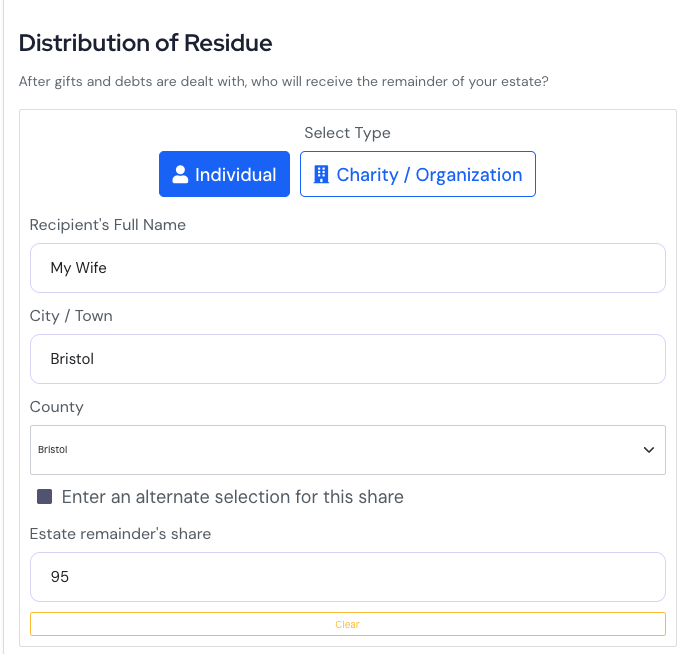
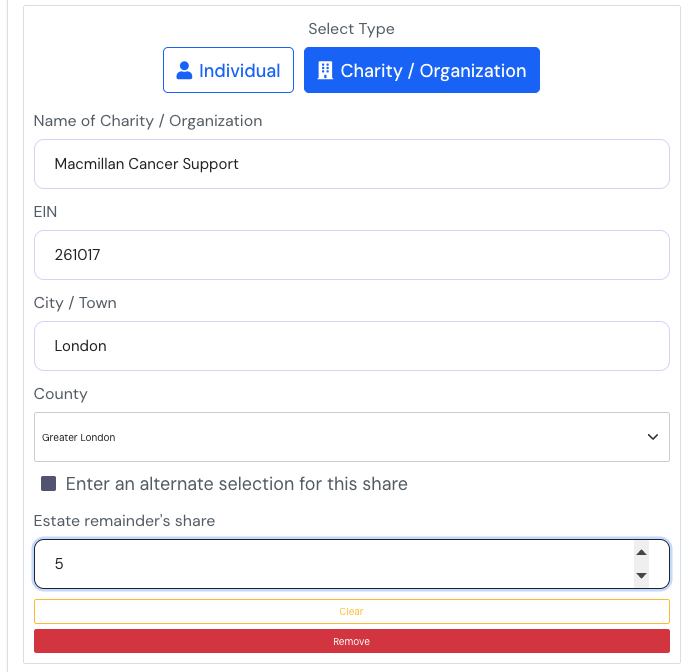
You can leave your estate to one person, divide it between several people, or include charities and organisations you care about.
It is also wise to think about backup beneficiaries. These are people or charities who inherit if your first-choice beneficiaries die before you.
Clear wording helps avoid confusion, especially where there are blended families, children from previous relationships, unmarried partners, stepchildren, or people who depend on you financially.
For example, you may choose to leave most of your estate to an individual and a smaller share to a charity or organisation you care about.
You can use your Will to leave specific gifts to individuals or charities.
These gifts may include:
◆ A cash gift, such as a fixed amount of money
◆ A personal item, such as jewellery, artwork, a vehicle, or a collection
Be as precise as possible when describing a physical item. Vague descriptions can make it harder for executors to know exactly what you meant.
It is also important to think about the order in which an estate is dealt with. Debts, funeral expenses, tax, and administration costs are usually dealt with before beneficiaries receive what is left.
If cash gifts are larger than the available cash in your estate, other assets may need to be sold to pay them. This can reduce what is left for the people receiving the rest of the estate.
A gift in a Will may fail if the beneficiary has died, if the item is no longer owned by you when you die, or if the description is too unclear.
Where a specific gift fails, it will usually fall back into the rest of your estate and be dealt with under the remaining terms of your Will.
You can include funeral wishes in your Will or leave them in a separate letter of wishes.
This can help your loved ones understand what kind of service you would prefer and reduce the pressure of making decisions without guidance.
Funeral wishes might include:
◆ Whether you would prefer burial or cremation
◆ Music, readings, prayers, or personal touches
◆ What you would like to happen with your ashes
◆ Whether you would prefer a religious, spiritual, or non-religious service
◆ Who you would like to arrange the funeral
Funeral wishes are not usually legally binding, but they can be extremely helpful for family members and executors.
For added reassurance, By The Willow offers an optional Professional Review for a one-time payment of £30.
A specialist can review completed documents such as your Will or Advance Decision before signing and provide notes where something may need attention.
This optional review can help:
◆ Check clarity and consistency
◆ Identify common mistakes
◆ Check whether the document reflects your intentions clearly
◆ Highlight issues that could cause confusion, delay, or dispute
Your Will should be reviewed when your life changes. Marriage, divorce, children, property changes, financial changes, or the death of someone named in your Will can all affect your estate plan.
By The Willow offers unlimited Will updates for £10 per year, helping clients keep their Will current as circumstances change.
After any update, remember that the new Will must be printed, signed, and witnessed correctly before it replaces an earlier Will.
Put your wishes in writing Create your Will online, record your key wishes, and add optional support where you need it. Let's get started
 Speak to our team

We make it simple to create and manage essential legal documents online.

By The Willow™ - Copyright
. All rights reserved.
By The Willow™, a trading name of LCR Group Holdings, provides access to self-service legal forms and information. By The Willow™ is not a law firm and does not provide legal advice. It is not a substitute for a qualified attorney’s advice.


